CONDITION WORSE THAN EXPECTED
Are we carrying more risk than we realise?
Learn moreThe situation
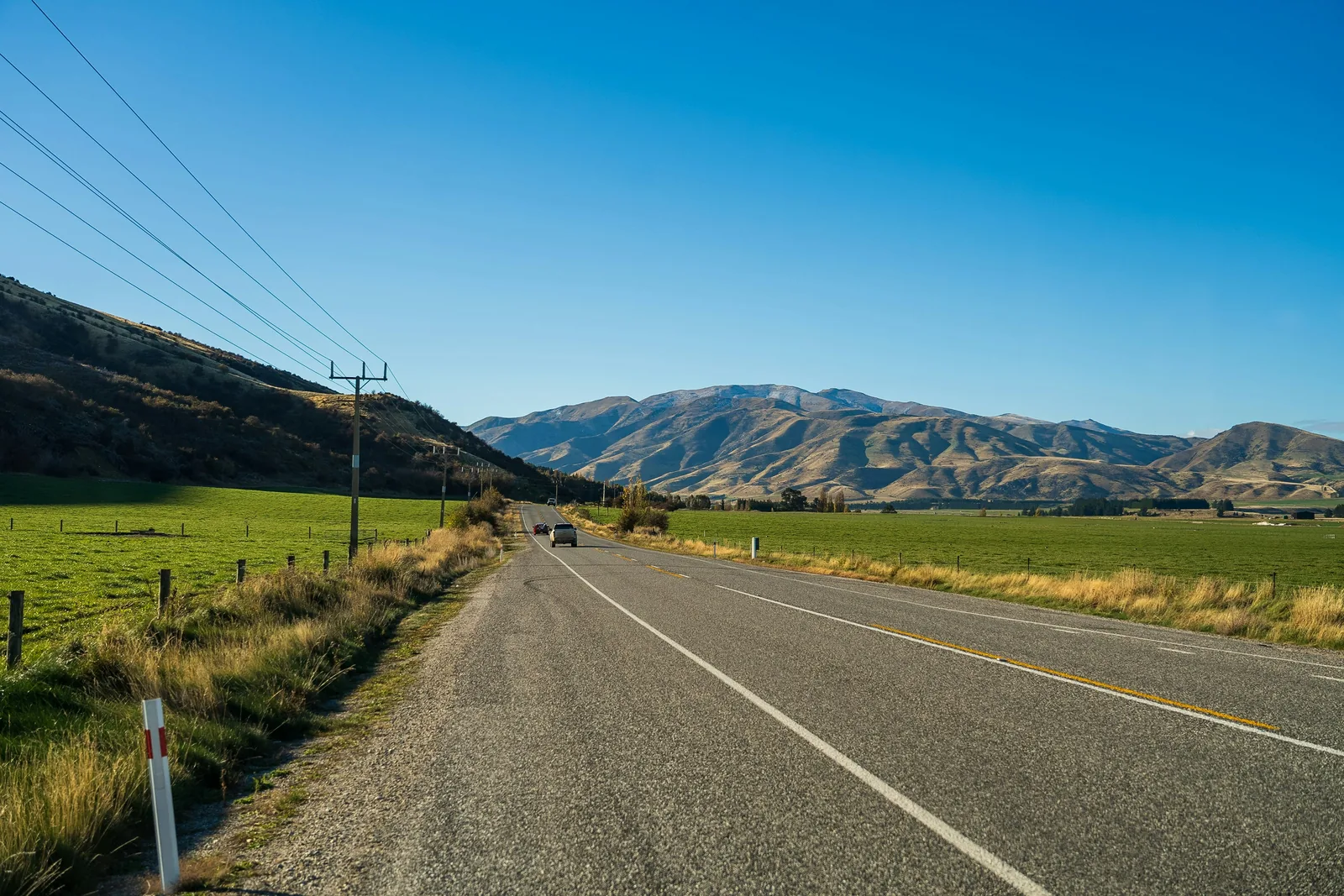
A line that is failing quicker than its design life, due to impacts outside of your control or decisions inherited from by-gone era, in locations you can’t predict. Risks you want to avoid.
What we knew
The conductors had been identified for assessment due to age, environmental exposure or previous failures, however the extent and location of deterioration was unknown.
What Rubric found
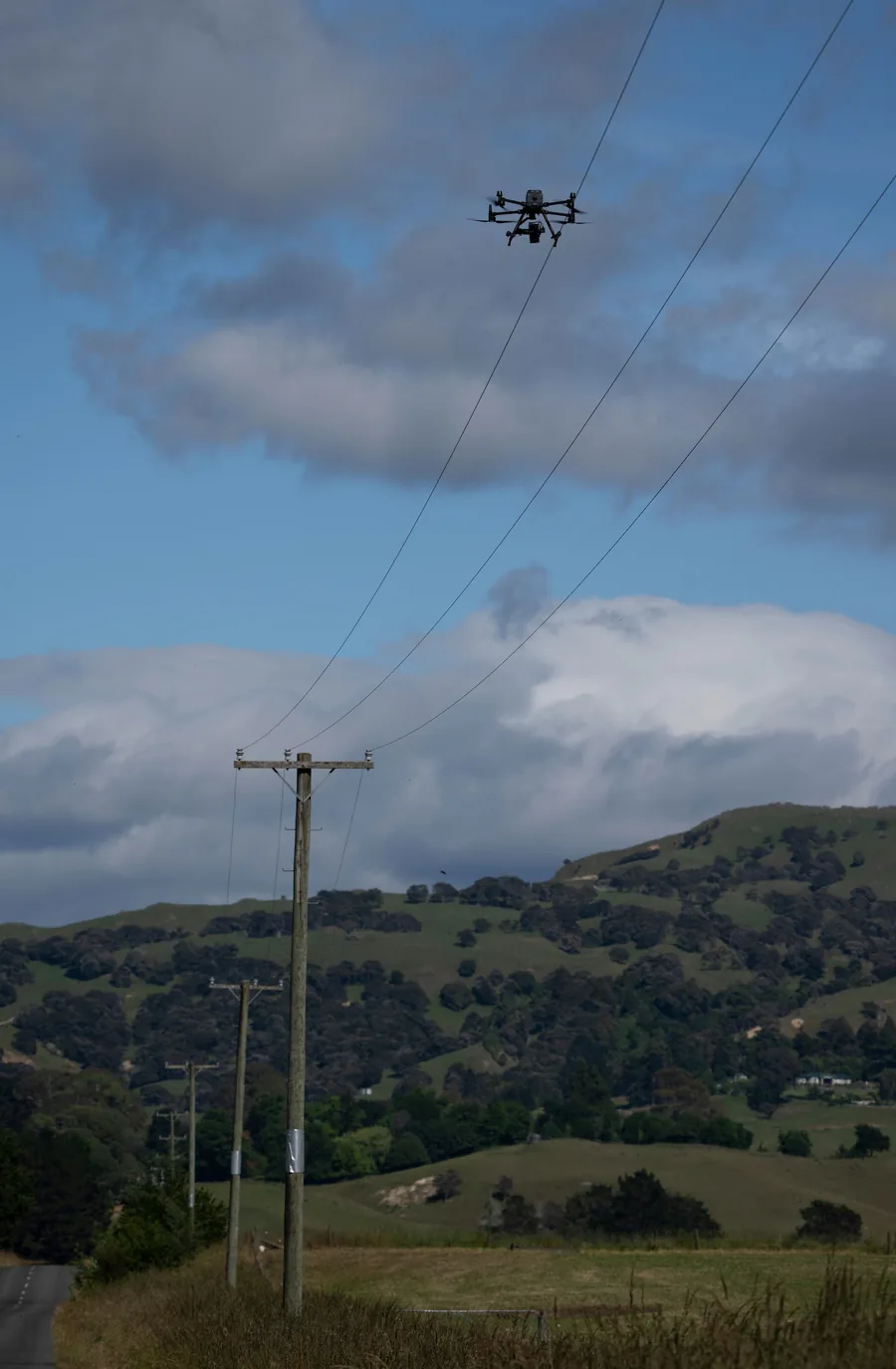
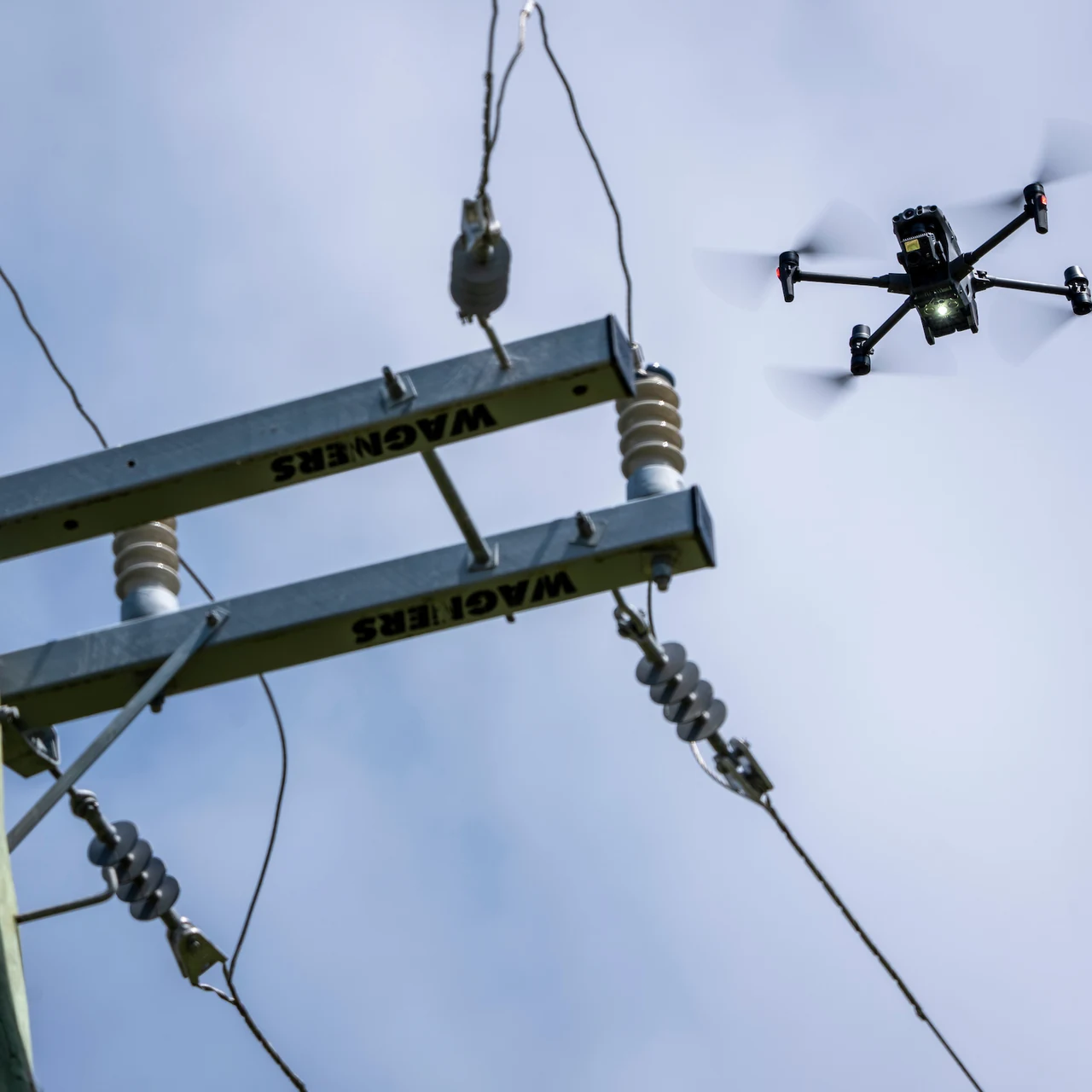
Multiple broken strands, severe corrosion and localised defects were identified. Condition was significantly worse than expected and presented a higher safety and reliability risk than originally understood.
What was decided
Critical defects were prioritised for intervention and replacement was brought forward. Additional adjacent assets were included in the assessment programme to better understand network risk.
Why it matters
When a conductor fails it falls. That is a public hazard, an outage, and a question from the regulator about what you knew. Finding it first is the whole point.
What this means for your network
The lines that worry you least are the ones nobody has looked at closely.
“These conductors, when they break and fall on the ground, that’s the public hazard.”