CONDUCTOR TYPE VERIFICATION
Do we know what we own?
Learn moreThe situation
The asset register says it is one conductor type, the reality may be different. The plan, the risk model and the valuation all rest on it. Nobody wrote it down and nobody has checked.
What we knew
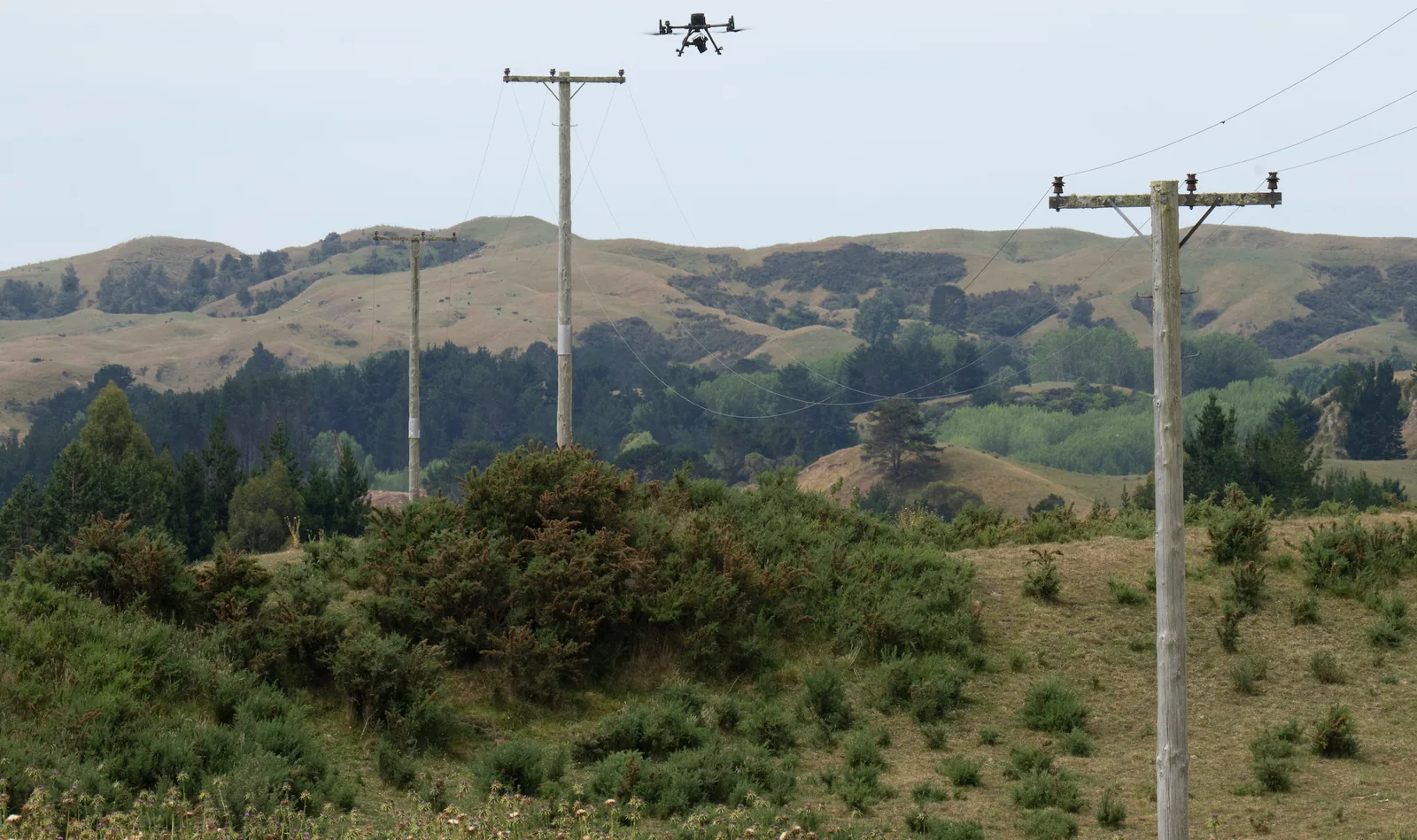
Asset records indicated a single conductor type across the circuit, however the accuracy of historical records had not been verified in the field.
What Rubric found
Different conductor types, joints and sleeves were identified that were not reflected in existing records. The physical network differed from the assumptions underpinning asset planning.

What was decided
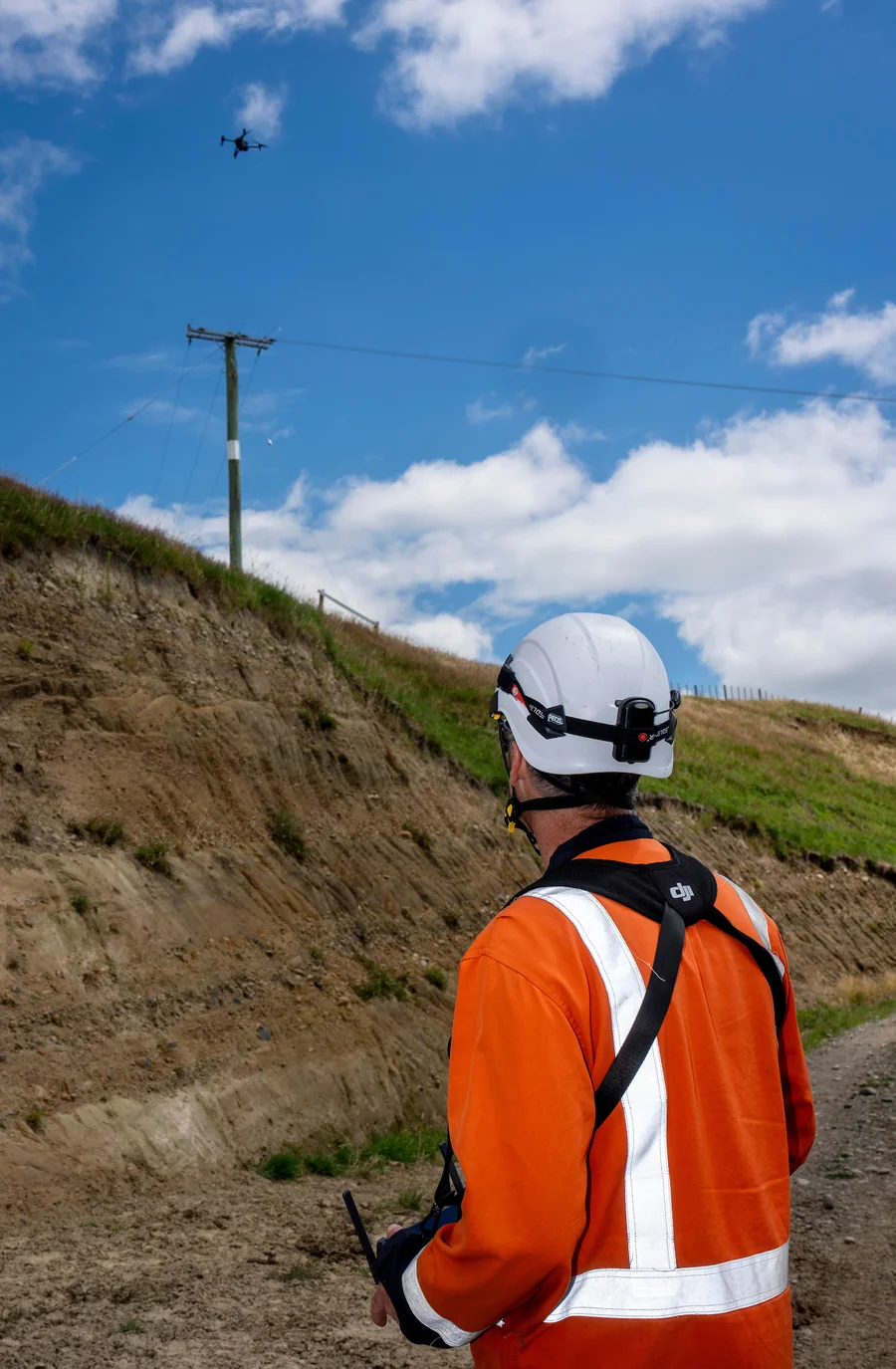
Asset records were updated and replacement assumptions were reassessed. Risk modelling, condition forecasts and renewal planning were adjusted using verified asset information.
Why it matters
Every model your network runs starts from the register. If the register is wrong, so is everything downstream: the risk score, the plan, the useful life, the valuation. Rubric sees what is actually on the pole.
What this means for your network
Ask how confident you are in your conductor type data. Then ask what it would cost to find out.
“In many cases we don't have the records of what type of conductor we've got”